

Understanding PCOD and PCOS: Symptoms, Causes, and Management
Introduction
Polycystic Ovary Syndrome, often referred to as PCOS, and Polycystic Ovarian Disorder, known as PCOD, are two closely related endocrine disorders that affect millions of women worldwide. While they share similarities in symptoms and characteristics, they also have their distinct differences. In this blog, we will delve into PCOD and PCOS, understanding their symptoms, causes, and management, to provide you with a comprehensive overview of these common health conditions.
What is PCOD and PCOS?
Polycystic Ovary Disorder (PCOD):
PCOD is a hormonal disorder that affects the ovaries. It is characterized by the presence of small cysts (fluid-filled sacs) in the ovaries. These cysts may disrupt the normal functioning of the ovaries and can lead to various hormonal imbalances.
Polycystic Ovary Syndrome (PCOS):
PCOS is a more comprehensive condition that includes not only the ovarian cysts but also a range of other hormonal and metabolic issues. Women with PCOS often have higher levels of androgens (male hormones) in their bodies, which can lead to irregular menstrual cycles, acne, and excess hair growth.
Stay at a healthy weight. Weight loss can lower insulin and androgen levels. It also may restore ovulation. ...

Symptoms of PCOD and PCOS
Both PCOD and PCOS share several common symptoms, which include:
Irregular menstrual cycles: Women with these conditions often experience irregular or missed periods.
Excess hair growth (hirsutism): An excess of androgens can lead to the growth of hair on the face, chest, and back.
Acne and oily skin: Hormonal imbalances can result in skin problems, such as acne.
Weight gain: Many women with PCOD and PCOS struggle with weight management.
Infertility: Ovulatory issues caused by these conditions can lead to difficulty in getting pregnant.
It's important to note that while these symptoms are common, they may vary in severity from person to person.
Causes of PCOD and PCOS
The exact causes of PCOD and PCOS are not fully understood, but they are believed to be influenced by a combination of genetic and environmental factors. Some potential factors contributing to these conditions include:
Insulin Resistance: Insulin is a hormone that regulates blood sugar levels. Insulin resistance, which is common in PCOD and PCOS, can lead to higher insulin levels, affecting the ovaries and leading to hormonal imbalances.
Hormonal Imbalances: Elevated levels of androgens and luteinizing hormone (LH) relative to follicle-stimulating hormone (FSH) are often seen in women with these conditions.
Genetics: A family history of PCOD or PCOS may increase the risk of developing these conditions.
Inflammation: Chronic low-grade inflammation can contribute to the development of PCOD and PCOS.

Management and Treatment
The management and treatment of PCOD and PCOS aim to alleviate symptoms, improve fertility, and reduce the long-term health risks associated with these conditions. Here are some common approaches:
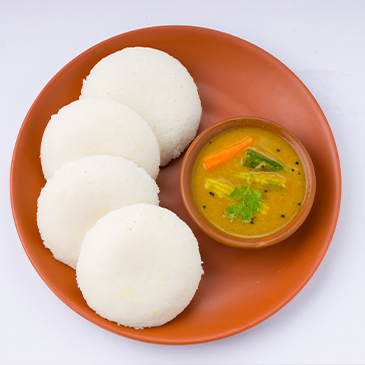
Lifestyle Modifications: Weight management through a balanced diet and regular exercise can help improve insulin sensitivity and hormonal balance.
Medications: Hormonal contraceptives, anti-androgen medications, and insulin-sensitizing drugs may be prescribed to manage specific symptoms.
Fertility Treatments: For women trying to conceive, fertility treatments like ovulation induction may be recommended.
Dietary Changes: A low-glycemic index diet and adequate intake of essential nutrients can help manage symptoms.
Stress Management: High stress levels can exacerbate symptoms, so stress-reduction techniques such as yoga, meditation, and relaxation exercises can be beneficial.
Regular Monitoring: Regular check-ups and monitoring of blood sugar, cholesterol levels, and hormonal balance are essential for long-term health management.
Conclusion
Polycystic Ovary Disorder (PCOD) and Polycystic Ovary Syndrome (PCOS) are complex conditions that affect women's hormonal and reproductive health. While there is no cure, proper management can significantly improve the quality of life for those affected. If you suspect you have PCOD or PCOS, it's crucial to consult a healthcare professional for an accurate diagnosis and personalized treatment plan. With the right care and lifestyle adjustments, women with PCOD and PCOS can lead fulfilling, healthy lives.